

New Orleans Marks the Transition From Christmas to Mardi Gras Season
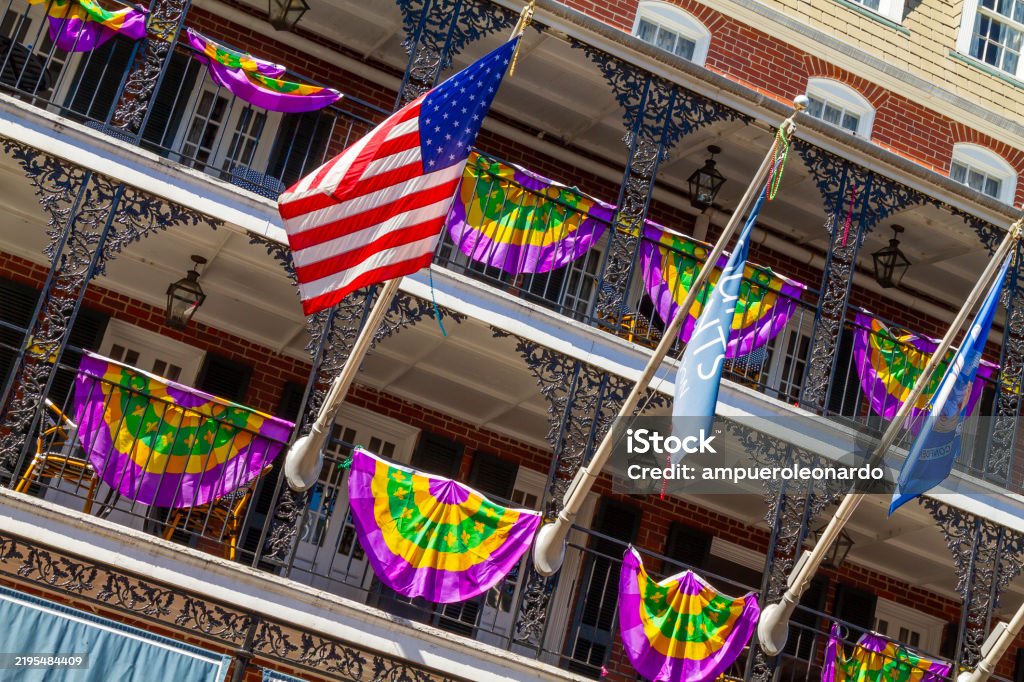
Mardi Gras decorations adorn balconies in New Orleans’ French Quarter as the city enters Carnival season.
Twelfth Night signals the start of Carnival traditions, early parades, and king cake season
NEW ORLEANS, LA, UNITED STATES, January 9, 2026 /EINPresswire.com/ -- In New Orleans, the conclusion of the Christmas season coincides with the beginning of Mardi Gras season, a citywide cultural transition that takes place annually following the removal of holiday decorations. As Christmas décor comes down, it is widely replaced with purple, green, and gold, reflecting the start of Carnival preparations across neighborhoods, businesses, and public spaces.
While many cities experience a lull after the holidays, New Orleans moves immediately into Carnival season, extending the rhythm of public celebration into the early months of the year. This transition marks the start of a multi-week period of cultural observance that culminates on Fat Tuesday.
Mardi Gras season officially begins on Twelfth Night, January 6, also known as King’s Day. From this date forward, New Orleans enters an extended Carnival period marked by public events, culinary traditions, and scheduled parades. Unlike single-day festivals, Mardi Gras in New Orleans functions as a season with recurring activities rather than a single focal event.
One of the earliest indicators of the season is the return of king cake, a traditional pastry available throughout the city beginning on Twelfth Night. King cakes are decorated in the traditional Mardi Gras colors—purple, green, and gold—and are commonly shared in workplaces, schools, and homes. While cakes are sold by local bakeries and grocery stores, the tradition itself is free to observe and participate in.
Public Mardi Gras parades begin in mid-January, with early-season krewes hosting evening and weekend processions. These parades are free to attend and take place on public streets along established routes. As the season progresses, parade frequency increases and expands into additional neighborhoods and major corridors, including St. Charles Avenue, one of the city’s primary parade routes.
Transportation and pedestrian access are central considerations during Mardi Gras season, as temporary street closures and parade routes affect traffic patterns. Residents and visitors commonly rely on walking routes and the city’s streetcar system to access parade locations. Streetcars operate on published schedules, with fares set by the regional transit authority.
The French Quarter and surrounding neighborhoods remain central to early Mardi Gras activity, particularly during the opening weeks of the season. Public celebrations, street activity, and cultural programming occur throughout the area, especially during evenings and weekends.
“This seasonal transition is a long-standing part of New Orleans culture,” said Karen Brem, Marketing Director of the Historic Mardi Gras Inn, located in New Orleans. “Mardi Gras begins well before Fat Tuesday, and the early weeks are an important part of the city’s annual rhythm.”
Mardi Gras season continues through Fat Tuesday, with public events remaining free and open to the public unless otherwise specified by individual organizers. Event dates, times, and parade routes are released by the City of New Orleans and participating krewes as the season progresses.
Two days out, the city has completed its transition from Christmas to Carnival, marking the official start of Mardi Gras season in New Orleans.
Karen Brem
Historic Mardi Gras Inn
+1 979-236-4126
email us here
Legal Disclaimer:
EIN Presswire provides this news content "as is" without warranty of any kind. We do not accept any responsibility or liability for the accuracy, content, images, videos, licenses, completeness, legality, or reliability of the information contained in this article. If you have any complaints or copyright issues related to this article, kindly contact the author above.
