

Consumers Are Discovering Their Chocolate Isn’t Chocolate Anymore - Alter Eco Leads the Call for Real Chocolate in 2026
As climate change reshapes the cocoa industry, Alter Eco stands firm on real ingredients, ethical sourcing, and uncompromised standards
HOUSTON, TX, UNITED STATES, January 21, 2026 /EINPresswire.com/ -- Over the past holiday season, something unexpected happened in candy bowls across America. Chocolate lovers noticed their favorite treats didn’t taste the same. The reason, many are now discovering, is simple and unsettling: much of what’s being sold today isn’t actually chocolate anymore.As cocoa prices surged to historic highs in early 2025, topping $12,000 per metric ton amid climate-driven shortages, many major confectionery brands quietly reformulated their products. Cocoa butter was replaced with cheaper vegetable oils like palm, shea, and sunflower. Cocoa content was reduced. Bar sizes shrank. And in many cases, products that were once labeled “milk chocolate” or “dark chocolate” are now legally required to be called what they are: “chocolate candy.”
“When consumers pick up a chocolate bar, they’re trusting what the label promises,” says Keith Bearden, CEO of Alter Eco. “If that trust erodes, it’s not a marketing problem, it’s a values problem. Real transparency means telling people what’s in their food and why it matters, even when it’s uncomfortable.”
Consumers have taken notice. Social media is flooded with posts and videos from shoppers questioning why holiday treats “didn’t taste right this year,” and ingredient labels are drawing newfound scrutiny. What began as confusion is quickly turning into awareness.
Climate Change Hits Home
Roughly 60 to 70 percent of the world’s cocoa supply comes from West Africa, a region now facing compounding climate challenges including extreme heat, unpredictable rainfall, widespread crop disease, and the largest global cocoa deficit in more than 60 years. While cocoa prices have fluctuated since their 2025 peak, experts agree they remain structurally higher than historical norms.
The industry response has varied. Some companies chose cost-cutting measures that altered the very definition of chocolate. Others explored alternative formulations using ingredients like carob, malt extract, or shea butter. The result is a growing gap between what consumers expect and what they’re actually eating.
Bearden believes, “Chocolate is having a reckoning moment. Climate change has exposed just how fragile this supply chain is, and brands are being forced to show their true priorities. You can either protect margins by cutting corners or protect integrity, by honoring what chocolate is meant to be.”
The Alter Eco Difference
Alter Eco chose a different path.
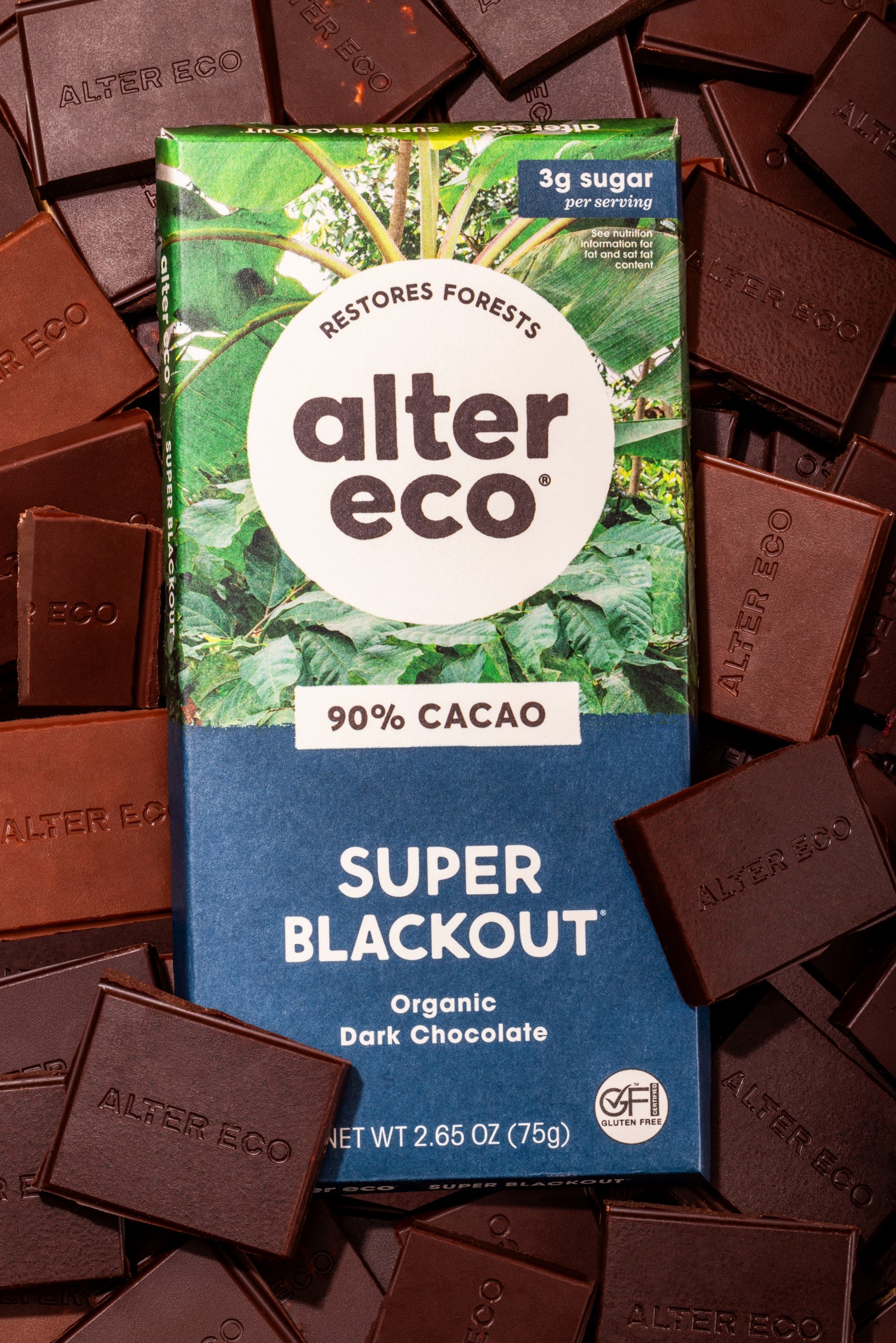
While much of the industry adjusted formulations behind the scenes, Alter Eco stayed true to what chocolate should be. The company continues to produce real chocolate made with real cocoa butter, ethically sourced cocoa beans, and transparent, traceable supply chains. Alter Eco has not changed its recipes, lowered cocoa content, or rebranded its products as “chocolate candy.”
Through long-standing direct relationships with farmers and investments in regenerative agricultural practices, Alter Eco supports more resilient cocoa systems, while protecting quality and flavor from bean to bar.
A Cultural Reckoning for Chocolate
As media coverage around “fake chocolate,” reformulation trends, and rising candy prices continues into 2026, Alter Eco is stepping forward as a trusted voice in a conversation that’s already unfolding organically.
This moment marks a broader consumer awakening, one where people are reading labels, questioning shortcuts, and reconnecting with what real food should taste like.
Alter Eco’s message is simple:
If it says “chocolate candy,” it isn’t chocolate.
If it doesn’t contain cocoa butter, it isn’t chocolate.
And real chocolate is worth protecting.
“The future of chocolate depends on long-term thinking,” say Bearden. “That means investing in regenerative farming, paying farmers fairly, and refusing shortcuts that undermine quality. We believe resilience comes from doing the hard things early, not the easy things later.”
In a marketplace crowded with compromises, Alter Eco is proud to stand for authenticity, craft, and climate-conscious sourcing, offering consumers a clear choice at a time when clarity matters most.
About Alter Eco
Alter Eco is a sustainability-driven chocolate company dedicated to crafting decadent, organic chocolate using fair trade partnerships, regenerative agriculture and innovative eco-friendly packaging. Products are available at Whole Foods Market, natural retailers nationwide, and at www.alterecofoods.com.
To learn more about Alter Eco, visit www.alterecofoods.com or follow @altereco_foods on social media.
# # #
EDITOR'S NOTE: For more information about Alter Eco and to arrange to speak with a company spokesperson, please contact Nancy Trent or Pamela Wadler at 212-966-0024 or pam@trentandcompany.com.
Pamela Wadler
Trent and Company
email us here
Legal Disclaimer:
EIN Presswire provides this news content "as is" without warranty of any kind. We do not accept any responsibility or liability for the accuracy, content, images, videos, licenses, completeness, legality, or reliability of the information contained in this article. If you have any complaints or copyright issues related to this article, kindly contact the author above.
